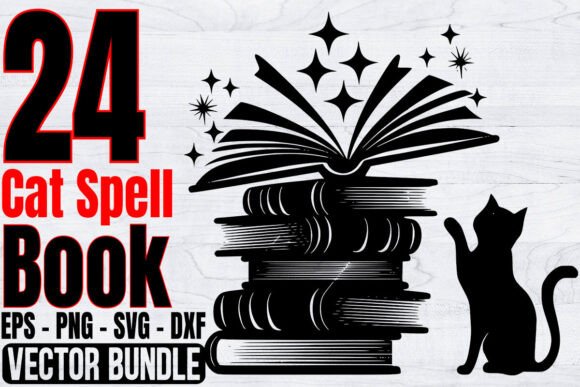
Halloween Creepy Cat Bundle Silhouette
First Impressions: Spooky, Simple, and Surprisingly Versatile
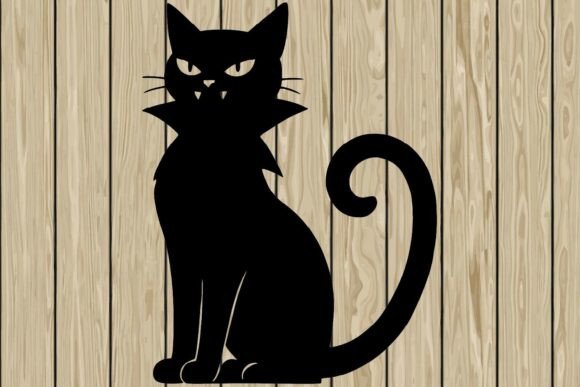
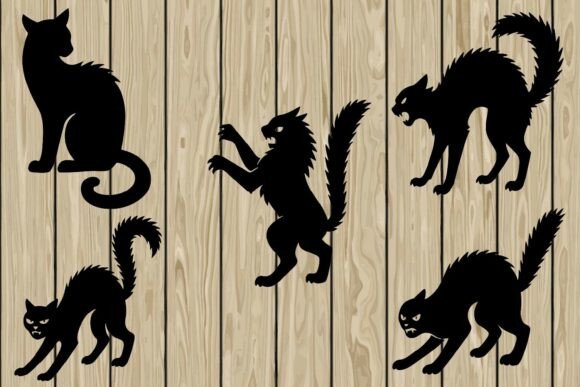
When I opened the Halloween Creepy Cat Bundle Silhouette, I wasn’t expecting subtlety—and I didn’t get it. That’s a good thing. These are bold, high-contrast silhouettes: arched backs, glowing eyes, exaggerated tails, and that unmistakable Halloween tension—playful but unnerving. As an embroidery designer who tests dozens of graphics each season, I immediately saw how this bundle bridges craft and commerce. It doesn’t try to be delicate or illustrative; it leans into graphic strength, clean edges, and strong negative space—all traits that translate beautifully to machine embroidery.
A Real Project Test: Embroidering a Limited-Edition Tote for My Local Boutique
Last week, I used one of the larger silhouettes from the Halloween Creepy Cat Bundle Silhouette on a natural canvas tote for a small-batch holiday launch. The goal? A handmade product that felt intentional—not just “cute” or “on-trend,” but cohesive with the shop’s moody, vintage-inspired branding. I chose a medium-sized cat (about 3.5" wide), digitized it as a fill-stitch silhouette with subtle satin-stitch outlining for definition, and stitched it centered on the front panel. The result held up across three fabric batches—medium-weight canvas, brushed cotton twill, and even a slightly napped linen blend—thanks to the design’s generous line weight and lack of micro-detail.
Where This Design Shines (and Where It Needs Thought)
The Halloween Creepy Cat Bundle Silhouette excels in projects where clarity and impact matter more than intricacy:
- Custom apparel: Works cleanly on sweatshirts, crewnecks, and unstructured jackets—especially when paired with matte black or charcoal thread on heather grey fabric.
- Embroidered patch: Perfect for iron-on or sew-on patches. Its solid shapes hold stitch integrity without fraying or bleeding at the edges.
- Tote bag design and kitchen towel applications benefit from its scale-friendly proportions and easy-to-read motif—even at 4–5 inches wide.
- Baby embroidery and nursery decor can use smaller versions tastefully, especially if softened with tone-on-tone thread (e.g., heather grey cat on oatmeal fabric).
- Commercial embroidery and Etsy seller workflows gain efficiency: minimal color changes, low stitch density, and predictable hooping behavior across most mid-range machines.
Careful Use Cases: Know When to Pause
This isn’t a one-size-fits-all embroidery file. I’ve seen it struggle—predictably—in these real-world contexts:
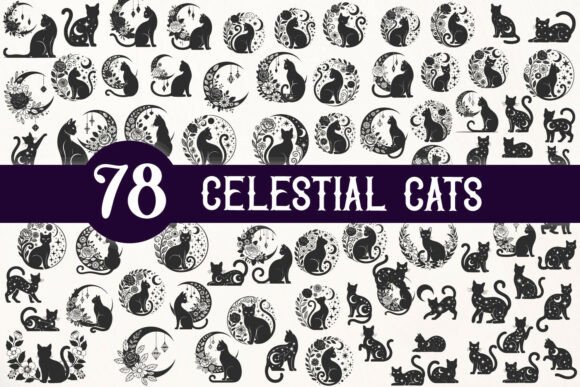
- Small hoop sizes (<4" diameter): Some cats in the bundle include fine tail tips or narrow ear points that risk distortion or skipped stitches. Always test on scrap first—and consider simplifying those elements manually if needed.
- Textured or stretchy fabric: On waffle-weave tea towels or lightweight jersey, the sharp outer contour can blur unless you use cutaway stabilizer + proper hooping tension.
- Dark fabric with light thread: Because these are silhouettes—not layered appliqué designs—the contrast relies entirely on thread choice. Avoid pale yellow or white thread on navy or black unless you’re stitching over tear-away + topping.
- Curved surfaces like caps: The flatter, more angular cats adapt better than those with tightly curved spines. Prioritize the simpler profiles for headwear.
- Frequent-wash items (baby onesies, kitchen linens): Reinforce with a light zigzag or satin border stitch around the outer edge—it adds durability without changing the graphic feel.
What It Adds to Your Handmade Product—and What It Doesn’t
The Halloween Creepy Cat Bundle Silhouette elevates perceived value by reading as *designed*, not clip-art. Customers notice the balance between whimsy and restraint—the kind of detail that says, “This was chosen, not grabbed.” It supports brand consistency for craft businesses because it’s neutral enough to pair with serif typography, minimalist packaging, or earthy color palettes. But it won’t carry weak execution: sloppy hooping, mismatched thread, or unstable fabric will still show. It also doesn’t solve licensing questions—since it’s labeled as a Graphics asset for Crafts, confirm whether your intended use (e.g., selling embroidered onesies on Etsy) falls within permitted commercial terms before scaling production.
Practical Embroidery Designer Notes You’ll Actually Use
Before stitching your first Halloween Creepy Cat Bundle Silhouette project, do these five things:
- Test on scrap fabric—not just for stitch quality, but for how the shape reads at actual size. A 2" cat may look bold on screen but vanish on a dark sweatshirt.
- Check thread color contrast in natural light. What looks dramatic on your monitor might read as muddy under store lighting or flash photography.
- Review stitch density. If your version runs dense (common with fill-stitch silhouettes), reduce density by 5–10% for breathable fabrics like cotton poplin.
- Confirm hoop size compatibility. Even if the design fits digitally, ensure your physical hoop clears the full outline—especially with tall, narrow cats.
- Inspect small details like eye slits or paw outlines. If they’re under 1mm wide, they’ll likely vanish in stitching. Simplify or omit them.
Final Thought: A Reliable Asset, Not a Magic Fix
The Halloween Creepy Cat Bundle Silhouette is what seasoned designers call a “workhorse graphic”: dependable, adaptable, and quietly professional. It won’t replace thoughtful layout, smart thread selection, or clean digitizing—but it makes all of those things easier. Whether you’re prepping a batch of personalized gifts, building a holiday collection for your small shop product line, or sourcing design assets for digital embroidery file bundles, this set earns its place in your library. Just remember: great embroidery starts with great judgment—not just great files.