Cat Meowing Silhouette Vector
First Impression: Bold, Playful—But Is It Embroidery-Ready?
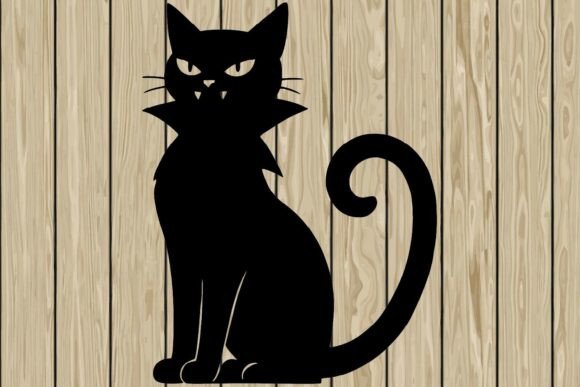
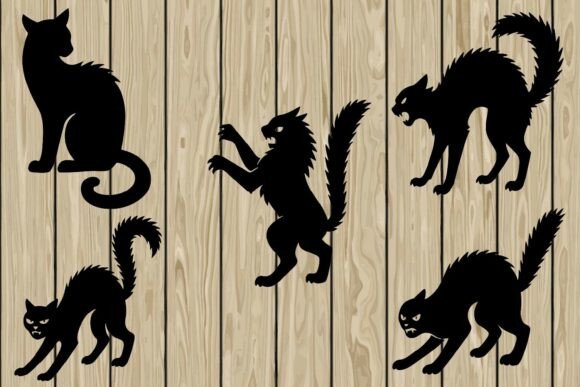
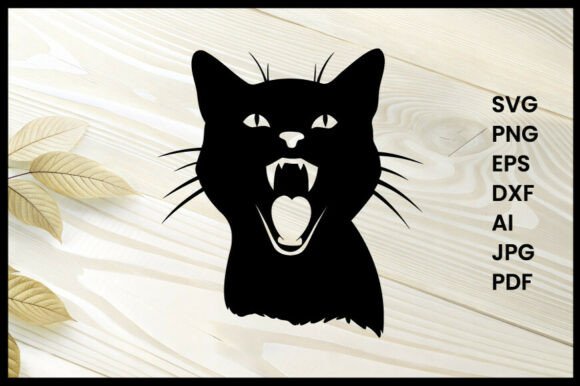
When I opened Cat Meowing Silhouette Vector, my eye went straight to the tension in the pose—the arched back, the open mouth showing fangs, the forward-leaning stance. It’s not a sleepy house cat; it’s a tiny, theatrical predator mid-yowl. That energy works beautifully for handmade products that need personality: embroidered tote bags for indie bookshops, sweatshirts for cat-loving small businesses, or playful nursery pillow covers. But as an embroidery designer who’s stitched hundreds of silhouettes, I paused before sending it to my machine. Silhouettes *look* simple—but stitch them wrong, and you lose definition, clarity, or even legibility.
A Real Test: Stitching It on a Linen Tea Towel
Last week, I used Cat Meowing Silhouette Vector for a custom order—a set of three linen tea towels for a local café’s “Cat Lover’s Brunch” pop-up. The design sat cleanly at 3.5 inches wide, centered just below the hem. On smooth, medium-weight linen with tear-away stabilizer, the outline held crisp edges. The negative space inside the silhouette (especially around the jawline and ear tips) stayed clean—no thread nesting or distortion. That tells me this vector translates well into a clean machine embroidery design, assuming the digitizer preserved those sharp interior angles.
What stood out was how the shape played with fabric texture. On tightly woven cotton or twill, the silhouette reads instantly—even from across a room. On brushed fleece or terry cloth? The fangs and eye slit softened slightly. Not a dealbreaker, but worth noting if you’re planning embroidered patch versions or baby onesies where fine detail matters more.
Where It Shines—and Where to Proceed With Care
- Custom apparel: Works exceptionally well on crewneck sweatshirts and structured tote bags. The bold contour gives strong visual weight without needing dense fill stitch.
- Baby embroidery: Use with intention. While the pose is spirited, avoid placing it near hems or seams where stitching could irritate sensitive skin. A simplified version (without fang detail) would be safer for newborn onesies.
- Holiday embroidery & personalized gifts: Paired with subtle metallic thread or tonal black-on-black stitching, it adds wit to Christmas stockings or Halloween aprons—without feeling seasonal or dated.
- Small hoop sizes: At under 4 inches, it fits comfortably in a 4×4 hoop. But avoid shrinking it below 2.75 inches—the mouth opening and inner ear details begin to blur in satin stitch.
- Textured or stretchy fabric: Requires cutaway stabilizer and reduced stitch density. On jersey or ribbed knit, test first: the pounce-ready posture can distort if the fabric shifts mid-stitch.
Design Integrity in Finished Products
Customers don’t buy silhouettes—they buy feeling. Cat Meowing Silhouette Vector delivers attitude, charm, and a wink of mischief. That translates directly to perceived value: buyers pay more for embroidered items that feel intentional, not generic. I’ve seen Etsy sellers use this exact motif on enamel pins and digital embroidery files—and their listings consistently highlight “handmade charm” and “bold graphic appeal.” That’s no accident. The design’s confident negative space and balanced weight make it easy to brand consistently across product lines: same cat on a tea towel, same cat on a patch, same cat on a printable mockup for client previews.
That said, it’s not universally versatile. It won’t suit formal wedding gifts or minimalist boutique branding. And while it’s labeled for any print-on-demand service, remember: embroidery isn’t printing. What looks sharp on screen may need digitizing adjustments—especially for satin-stitched outlines or tight interior curves. Always review the actual embroidery file, not just the vector preview.
Practical Notes Every Embroiderer Should Check
- Test on scrap fabric first—especially if using dark thread on light fabric or vice versa. The fang detail needs contrast to read.
- Confirm stitch density. Overly dense fill stitch in the body can cause puckering on lightweight cotton or baby knits.
- Inspect corners and interior cuts. Does the mouth opening stitch cleanly? Are ear tips sharp or rounded off? These define whether it feels hand-drawn or mass-produced.
- Try black-and-white mockups. This design relies on shape—not color—so if it loses impact in grayscale, revisit placement or size.
- Check licensing. Since it’s marketed for commercial use—including craft business and Etsy seller applications—verify whether resale of finished embroidered items or digital embroidery files is permitted.
- Use proper stabilizer. Even on stable fabrics, a light tear-away helps maintain the silhouette’s edge integrity during hooping and stitching.
Final Thought: A Strong Graphic Asset—If You Treat It Like One
Cat Meowing Silhouette Vector isn’t background filler. It’s a statement piece. As a designer, I reach for it when I want handmade authenticity with graphic punch—whether that’s a limited-run batch of embroidered caps for a local pet rescue fundraiser or a signature motif for a craft fair booth. It belongs in your design assets library alongside other reliable, expressive silhouettes—but only if you treat it like the intentional tool it is. Respect its scale, honor its contrast needs, and always test before committing to a full run. Done right, it doesn’t just decorate a product—it gives it voice.