Cat on Han Line Art SVG
A Clean, Quiet Cat That Stitches Like a Dream
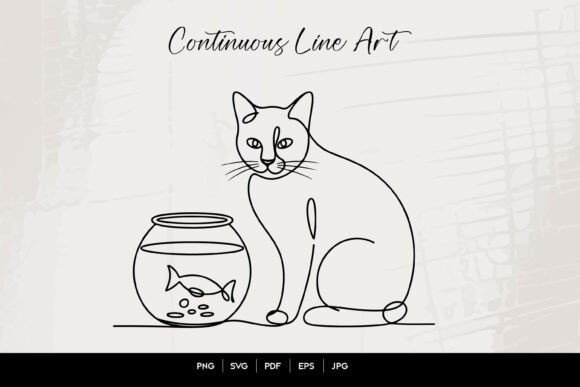
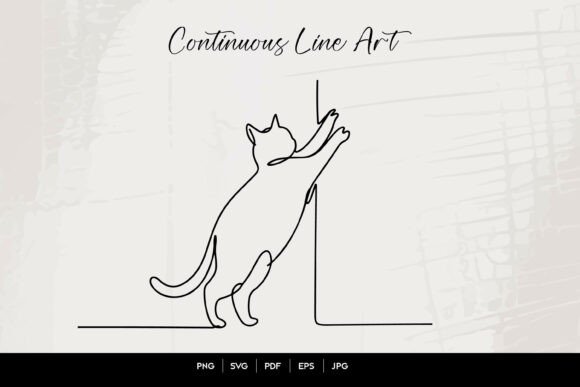
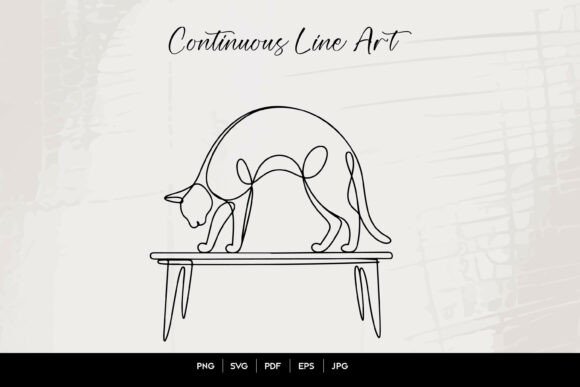
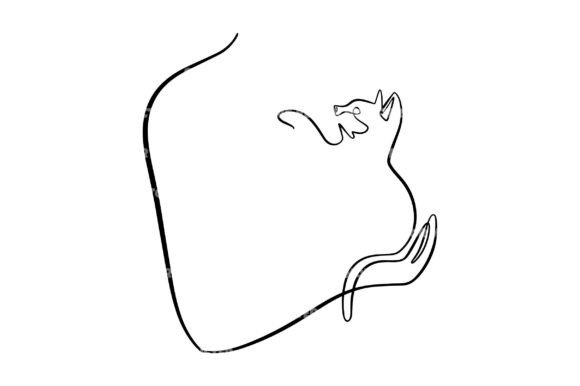
First impression? This isn’t a fussy cat. No whisker clutter, no overwrought shading—just a confident, fluid silhouette rooted in Han dynasty line art sensibility. The curves are intentional but unhurried; the negative space breathes. As an embroidery designer who’s stitched hundreds of animal motifs—from hyper-detailed Persian cats to cartoonish kittens—I immediately saw how Cat on Han Line Art SVG avoids two common pitfalls: visual noise and scale dependency. It doesn’t scream for attention—it invites quiet appreciation. That makes it ideal for projects where subtlety equals sophistication: minimalist nursery decor, boutique aprons, linen tea towels, or personalized baby onesies.
Real-World Test: Embroidering a Linen Tote Bag for a Local Bookstore
Last week, I used Cat on Han Line Art SVG to embroider a small-batch run of linen tote bags for a neighborhood indie bookstore’s “Cat & Chapters” summer promotion. We chose a 3.2" wide placement on the lower left front panel—just large enough to read clearly at arm’s length, but restrained enough not to overwhelm the natural texture of the fabric. Because the design is built from clean vector lines—not rasterized edges or pixelated gradients—it translated flawlessly into a machine embroidery file with crisp satin-stitched outlines and open fill areas. No jagged corners. No collapsed inner curves. The stitch density stayed balanced: enough coverage to hold shape on loosely woven linen, but light enough to keep the bag soft and drapeable.
Where It Shines (and Why)
- Custom apparel: Works beautifully on sweatshirts and structured tees—especially when you want elegance over energy. Think charcoal crewnecks or oatmeal henleys, not neon athletic wear.
- Baby embroidery: Its gentle rhythm reads as calm and comforting—perfect for onesies, burp cloths, or organic cotton swaddle blankets. No sharp angles or aggressive contrast to jar a newborn’s developing vision.
- Patches and appliqué designs: The clear outer contour and minimal interior detail make it highly stable for iron-on or sewn-on patches—even on curved surfaces like backpacks or denim jackets.
- Holiday and gift embroidery: Paired with muted thread colors (slate gray, deep moss, warm taupe), it feels timeless—not seasonal. Ideal for handmade Christmas stockings, wedding guest favors, or anniversary pillow covers.
- Craft business branding: Small shop owners and Etsy sellers can use it consistently across product categories—stitched on mugs (via heat-transfer vinyl mockups), printed on sticker sheets, or layered into digital embroidery kits—without diluting brand cohesion.
Where to Proceed Thoughtfully
Even strong designs have boundaries—and knowing them is part of professional judgment. With Cat on Han Line Art SVG, I recommend extra care in these scenarios:
- Small hoop sizes under 4": While scalable, the tail curve and ear tips sit close to minimum legibility thresholds. Always test stitch on scrap before committing to a 3" hoop on stretchy fabric.
- Textured or napped fabrics: On heavy terry cloth or fleece, subtle line weight variations may blur. Consider slightly bolder outline stitching or adding a thin stabilizer layer beneath the top fabric.
- Dark or reflective backgrounds: Since this is a line-art design—not a filled motif—thread color contrast matters more than usual. A light gray thread on black fabric will read softly; opt for charcoal or navy instead for clarity.
- Curved surfaces like caps: The design’s horizontal orientation works best on flat or gently sloping planes. Avoid placing it directly over the crown seam unless you’re willing to split and reposition elements manually.
- Frequent-wash items: Though clean-lined, the fine neck curve and inner ear shape benefit from medium-density satin stitch—not ultra-light running stitch—if the finished product will go through repeated laundering (e.g., kitchen towels or kids’ clothing).
What It Adds to Your Finished Product
This isn’t just about “will it stitch?” It’s about what the design communicates once it’s live in the world. Cat on Han Line Art SVG elevates perceived value without shouting. Customers notice craftsmanship—not clutter. On an Etsy listing, it helps handmade products stand out amid busier, trend-chasing designs. In a boutique setting, it reinforces intentionality: every stitch feels considered, not automated. For personalized gifts, it reads as thoughtful—not generic. And for commercial embroidery work, its adaptability across thread palettes and fabric types means fewer client revisions and smoother approvals.
Practical Designer Notes Before You Stitch
- Always test Cat on Han Line Art SVG on scrap fabric matching your final project’s weight and weave.
- Check thread color contrast on both light and dark mockups—don’t rely solely on screen previews.
- Review stitch density: adjust fill if using on delicate fabrics like rayon challis or lightweight chambray.
- Confirm hoop size compatibility—especially if adapting for caps or curved embroidery frames.
- Inspect small details at 200% zoom: ear tip sharpness, tail taper, and continuity of the outer line.
- Test in black-and-white mode first—this reveals balance and hierarchy better than color.
- Use appropriate stabilizer: tear-away for stable wovens, cut-away for knits, and mesh for sheer fabrics.
- Verify licensing terms before selling finished embroidered items or bundling the SVG into digital embroidery kits—since it’s categorized under Graphics and Crafts, commercial use may require explicit permission.
The Bottom Line for Makers Who Care
Cat on Han Line Art SVG isn’t flashy—but then, neither is well-made linen, hand-turned binding, or a perfectly balanced satin stitch. It’s a design that trusts the craftsperson, respects the material, and honors the person receiving the finished piece. Whether you’re an Etsy seller building a cohesive collection, a small shop owner curating tactile merchandise, or a hobbyist stitching gifts with quiet meaning—it holds space for intention. Not noise. Not trend. Just a cat, drawn with care, ready to become part of something real.