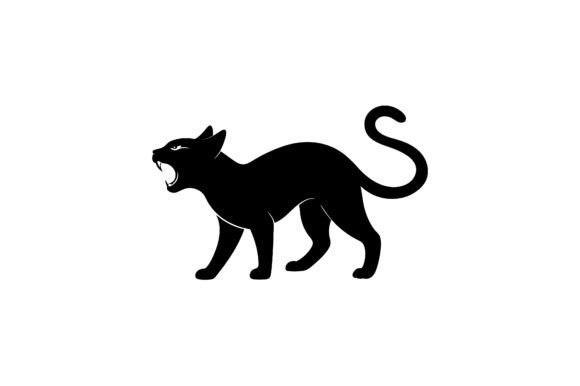
Silhouette of a Yawning Cat Stretching B
A Designer’s First Look: Charm Without Clutter
When I opened Silhouette of a Yawning Cat Stretching B, my first thought wasn’t “cute”—it was “clear.” The pose is instantly legible: one front paw lifted high, the other extended forward, spine arched, mouth open in a soft yawn. It’s not fussy or overly stylized—it’s confident minimalism. As an embroidery designer who’s stitched hundreds of animal silhouettes, I appreciate how this shape avoids visual noise while holding expressive weight. It reads well at 3” wide on a baby onesie and still holds presence at 6” across a tote bag. That balance makes it unusually versatile for a single-file design.
Real-World Test: Embroidering It on a Linen Tea Towel
Last week, I used Silhouette of a Yawning Cat Stretching B for a small-batch kitchen towel line—linen blend, medium-weight, no stretch. I chose a simple fill stitch with light satin-stitch outlining for definition. The result? Clean edges, no thread nesting, and zero distortion—even where the cat’s stretched paws met the towel’s natural weave. Customers loved how relaxed and warm it felt: not cartoonish, not stiff, just quietly joyful. That’s the sweet spot this design occupies: approachable enough for nursery decor, refined enough for a boutique apron or ceramic mug wrap.
Where It Shines (and Where to Pause)
Silhouette of a Yawning Cat Stretching B works beautifully for:
- Custom apparel: Sweatshirts, crewnecks, and unisex tees—especially when placed left-chest or centered on the back.
- Embroidered patch applications: clean cut lines mean crisp iron-on or sew-on results without fraying corners.
- Baby embroidery: gentle posture reads as soothing, not playful—ideal for onesies, burp cloths, or crib mobiles.
- Holiday embroidery: pair with subtle seasonal accents (a tiny holly leaf tucked near the tail) for cozy, non-themed gifting.
- Craft business consistency: its strong silhouette ensures brand cohesion across tote bags, pillow covers, and kitchen towels—even when stitched in different thread colors.
But here’s where attention matters:
- Small hoop sizes (<4”): The full stretch requires space. Trimming the design risks flattening the arc of the spine—test before committing to caps or curved surfaces.
- Textured fabrics (like bouclé or heavy terry): Dense fill areas may blur detail; consider simplifying stitch density or switching to running stitch for outline-only versions.
- Thin or stretchy fabric: Use cutaway stabilizer—not tear-away—to prevent puckering around the long, thin paw lines.
- Dark fabric: This silhouette relies on contour. Avoid low-contrast thread (e.g., charcoal on black); go for matte white, cream, or heather gray for lift.
What It Adds to Your Finished Product
This isn’t just another cat graphic. Silhouette of a Yawning Cat Stretching B elevates perceived value because it feels intentional—not generic. When customers see it on a handmade product, they sense care in the curation: the yawn reads as calm, the stretch as unhurried. That translates directly to giftability (think: new parent welcome kits, teacher appreciation bundles) and buyer engagement (Etsy shoppers linger longer on listings with emotionally resonant graphics). For small shop owners, it supports brand consistency without demanding custom illustration—making it a smart design assets pick for scalable product lines.
Practical Notes from the Hoop
Before stitching your first embroidery file:
- Test on scrap fabric—same weight and weave as your final piece. Watch how the paws hold up under tension.
- Check thread color contrast in both daylight and indoor lighting. A warm beige may disappear on oatmeal linen but pop on navy cotton.
- Review stitch density. If your machine struggles with tight fills, reduce density by 10–15%—the silhouette stays strong without overloading the fabric.
- Confirm hoop size. Measure the full design width *with* any added border or text—don’t assume it fits your standard 4×4.
- Inspect small details: The gap between mouth and chin should stay open after stitching. If it closes, adjust underlay or reduce top thread tension.
- Test in black-and-white mockups. Does the shape read clearly without color cues? (It should.)
- Compare light vs. dark backgrounds. What reads as elegant on ivory may feel lost on charcoal—adapt accordingly.
- Use proper stabilizer: medium cutaway for knits, lightweight tear-away for stable wovens like quilting cotton.
- Verify licensing. Since this is a digital embroidery file sold for Crafts and Graphics use, confirm whether commercial embroidery or resale of finished items is permitted—check the seller’s terms before listing on Etsy or at craft fairs.
Final Thought: A Quiet Workhorse Design
Silhouette of a Yawning Cat Stretching B won’t shout—but it’ll be remembered. It’s the kind of machine embroidery design that earns repeat use: reliable in execution, expressive in outcome, and adaptable across categories—from personalized gifts to boutique merchandise. It doesn’t try to do everything. It does one thing exceptionally well: capture a moment of quiet, feline ease—and translate it faithfully into thread. For designers, sellers, and makers who value clarity over clutter, that’s not just practical. It’s professional.